
"coffee pores"
1000 article(s) found
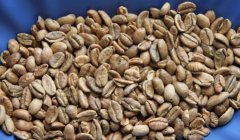
China's boutique coffee beans Hainan produces libirika coffee beans
Liberica coffee beans: large shrubs or small trees, 6-15 m tall; dark brown bark; branches spreading, hard and straight. Leaves opposite, leathery, elliptic or Obovate-elliptic, 15-30 cm long, tip mucronate, base broadly cuneate, margin entire, rarely microwave, often with small pores in lower vein axils; petiole 8-20 mm long; stipules broadly triangular, 3-4 mm long, tip obtuse, rarely convex
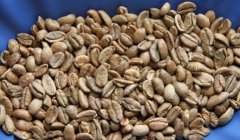
Chinese coffee Hainan Liberica coffee beans
Liberica coffee beans: large shrubs or small trees, 6-15 m tall; dark brown bark; branches spreading, hard and straight. Leaves opposite, leathery, elliptic or Obovate-elliptic, 15-30 cm long, tip mucronate, base broadly cuneate, margin entire, rarely microwave, often with small pores in lower vein axils; petiole 8-20 mm long; stipules broadly triangular, 3-4 mm long, tip obtuse, rarely convex

China Hainan boutique coffee beans Liberica coffee beans
Liberica coffee beans: large shrubs or small trees, 6-15 m tall; dark brown bark; branches spreading, hard and straight. Leaves opposite, leathery, elliptic or Obovate-elliptic, 15-30 cm long, tip mucronate, base broadly cuneate, margin entire, rarely microwave, often with small pores in lower vein axils; petiole 8-20 mm long; stipules broadly triangular, 3-4 mm long, tip obtuse, rarely convex
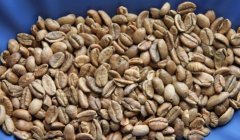
China is the coffee bean produced in Hainan. Liberica coffee beans.
Liberica coffee beans: large shrubs or small trees, 6-15 m tall; dark brown bark; branches spreading, hard and straight. Leaves opposite, leathery, elliptic or Obovate-elliptic, 15-30 cm long, tip mucronate, base broadly cuneate, margin entire, rarely microwave, often with small pores in lower vein axils; petiole 8-20 mm long; stipules broadly triangular, 3-4 mm long, tip obtuse, rarely convex

Liberica coffee beans
Liberica coffee beans: large shrubs or small trees, 6-15 m tall; dark brown bark; branches spreading, hard and straight. Leaves opposite, leathery, elliptic or Obovate-elliptic, 15-30 cm long, tip mucronate, base broadly cuneate, margin entire, rarely microwave, often with small pores in lower vein axils; petiole 8-20 mm long; stipules broadly triangular, 3-4 mm long, tip obtuse, rarely convex
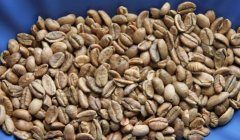
Liberica coffee beans made in Hainan, China
Liberica coffee beans: large shrubs or small trees, 6-15 m tall; dark brown bark; branches spreading, hard and straight. Leaves opposite, leathery, elliptic or Obovate-elliptic, 15-30 cm long, tip mucronate, base broadly cuneate, margin entire, rarely microwave, often with small pores in lower vein axils; petiole 8-20 mm long; stipules broadly triangular, 3-4 mm long, tip obtuse, rarely convex

"Espresso" re-baked coffee beans, lipids, mellow flavor, Italian blending of coffee beans
Espresso is a baking method Espresso is a baking method, you can buy a bag of Espresso in the store, refers to the re-roasted coffee beans, suitable for brewing into espresso. The importance of lipids has been discussed in the previous chapters. Emulsified lipids are the main source of alcohol flavor, so Espresso often uses deeper baking to drive lipids to the outlet of the cell pore.
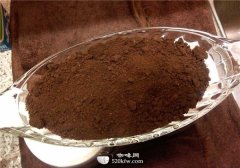
Coffee grounds have many uses.
What's the good use of the coffee grounds left after brewing coffee, except for laying them in an ashtray? In fact, coffee grounds contain countless pores similar to activated carbon, which can absorb odor, dehumidify, remove tiny dirt, and can be used as natural fertilizer! Wait a minute.
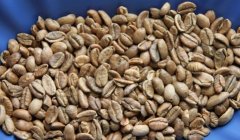
Liberica coffee beans produced in Hainan
Liberica coffee beans: large shrubs or small trees, 6-15 m tall; dark brown bark; branches spreading, hard and straight. Leaves opposite, leathery, elliptic or Obovate-elliptic, 15-30 cm long, tip mucronate, base broadly cuneate, margin entire, rarely microwave, often with small pores in lower vein axils; petiole 8-20 mm long; stipules broadly triangular, 3-4 mm long, tip obtuse, rarely convex

One minute to understand the changing process of coffee beans during roasting.
Coffee roasting is a collection of a series of physical and chemical changes, which is the final stage of the formation of coffee bean flavor. In the process of change, there will be some phenomena as follows. 1. The moisture escapes and the weight is reduced. two。 The texture changes from hard to brittle, with a large number of pores. 3. The color deepens gradually. 4. The individual flavor and characteristics gradually weakened, and the sense of balance and alcohol thickness gradually increased. 5. Carbon dioxide

Introduction to Librika Coffee beans
Liberica coffee beans: large shrubs or small trees, 6-15 m tall; dark brown bark; branches spreading, hard and straight. Leaves opposite, leathery, elliptic or Obovate-elliptic, 15-30 cm long, tip mucronate, base broadly cuneate, margin entire, rarely microwave, often with small pores in lower vein axils; petiole 8-20 mm long; stipules broadly triangular, 3-4 mm long, tip obtuse, rarely convex

Coffee video watch the changes of coffee beans during roasting in one minute.
Coffee roasting is a collection of a series of physical and chemical changes, which is the final stage of the formation of coffee bean flavor. In the process of change, there will be some phenomena as follows. 1. The moisture escapes and the weight is reduced. two。 The texture changes from hard to brittle, with a large number of pores. 3. The color deepens gradually. 4. The individual flavor and characteristics gradually weakened, and the sense of balance and alcohol thickness gradually increased. 5. Carbon dioxide

Introduction of coffee brewing utensils: X-CAFFE produces gold filter for Philharmonic pressure.
The ultrafiltration version of the filter we use is similar to the design of the Italian coffee maker powder bowl, which can better filter the fine powder and increase the pressure to make the extraction more sufficient. It can be seen that the arrangement of the holes is dense, and the distribution of water will be very uniform, and the pore size is three times smaller than that of the Italian coffee maker powder bowl. So there is almost no fine powder, and it tastes as clean as hand-made coffee. The picture above is the opposite.
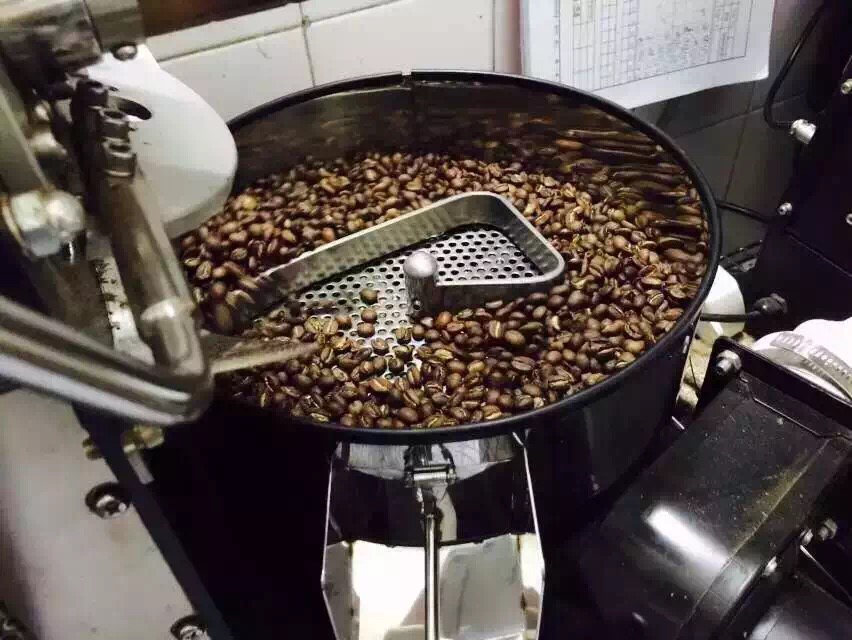
Coffee beans roasting detailed analysis-a good coffee must-see knowledge
Coffee roasting is a process of pyrolysis, which completely changes the substances inside the green beans, producing new compounds and recombining them to form aroma and alcohol. This effect occurs only at high temperatures, and if only low temperatures are used, decomposition cannot occur. In fact, roasting is the most difficult step in coffee processing.
How to clean coffee cups
Due to the quality of the coffee cup, the cup surface is tight, the pores are small, and it is not easy to attach coffee scale, so after drinking the coffee, as long as you rinse the cup with clean water immediately, you can keep the cup clean. After long-term use of the coffee cup or not immediately washed after use, so that coffee scale attached to the surface of the cup, at this time, the cup can be soaked in lemon juice to remove coffee scale. If you can't make the coffee at this time,
How to buy and clean coffee cups?
When buying coffee cups, you can choose according to the type and drinking method of coffee, and then with personal preferences and drinking occasions and other conditions to choose.

How to clean the coffee cup? how to remove the coffee stain?
As for the cleaning of coffee cups, due to the good quality of coffee cups, the cup noodles are tight, the pores are small, and it is not easy to attach coffee dirt, so after drinking coffee, as long as you rinse with clean water immediately, you can keep the cup clean. A coffee cup that has been used for a long time, or cannot be washed immediately after use, so that the coffee dirt is attached to the surface of the cup. At this time, the cup can be soaked in lemon juice to remove it.

The principle of extraction of Coffee the principle of extraction of Coffee by hand
Professional coffee knowledge exchange more coffee bean information Please follow the coffee workshop (Wechat official account cafe_style) when extracting coffee, put the ground coffee powder into the filter cup and carefully fill it with water. The first time to inject a small amount of water, and rest until soaked in coffee powder, and then divided into 3 to 4 times of water injection (there is also an one-time water injection). Why do we have to divide these steps? This is because the extraction

Coffee roasting specific analysis of coffee roasting techniques and degree of selection of French coffee roasting
Coffee roasting is a process of high temperature decomposition (Pyrolysis), which completely changes the substance inside the raw bean, produces new compounds, and recombines to form aroma and mellow flavor. This effect only occurs at high temperatures, and decomposition cannot be caused if only low temperatures are used. In fact, in the coffee processing process, roasting is the most rare step, it is a kind of family
Boutique coffee science explains in detail how to clean coffee cups
Due to the quality of the coffee cup, the cup surface is tight, the pores are small, and it is not easy to attach coffee scale, so after drinking the coffee, as long as you rinse the cup with clean water immediately, you can keep the cup clean. After long-term use of the coffee cup or not immediately washed after use, so that coffee scale attached to the surface of the cup, at this time, the cup can be soaked in lemon juice to remove coffee scale. If you can't make the coffee at this time,